Welcome to the Denver Art Museum
What's on View


Upcoming Events
Dive deeper into art and join us for one of these upcoming events or programs.

Día del Niño Celebration

Free Day at the DAM

Sandra Vásquez de la Horra: The Awake Volcanoes Tours

Mindful Looking (Online)

Talk with Dixon Lu, Associate Partner of MAD Architects

Biophilia: Nature Reimagined Tours

Drop-In Drawing with Anna Kaye
Biophilia: Nature Reimagined Tours

Berger Prize Winner Talk featuring Tim Clayton

Luncheon By Design 2024

Art & About

Architecture Tours

Mother's Day Buffet Brunch

Free Day at the DAM

Celebrating Gospel of a Whole Sun with Katerina Jeng

Mindful Looking

Nature Reimagined Nights

Anderman Photography Lecture: Sky Hopinka
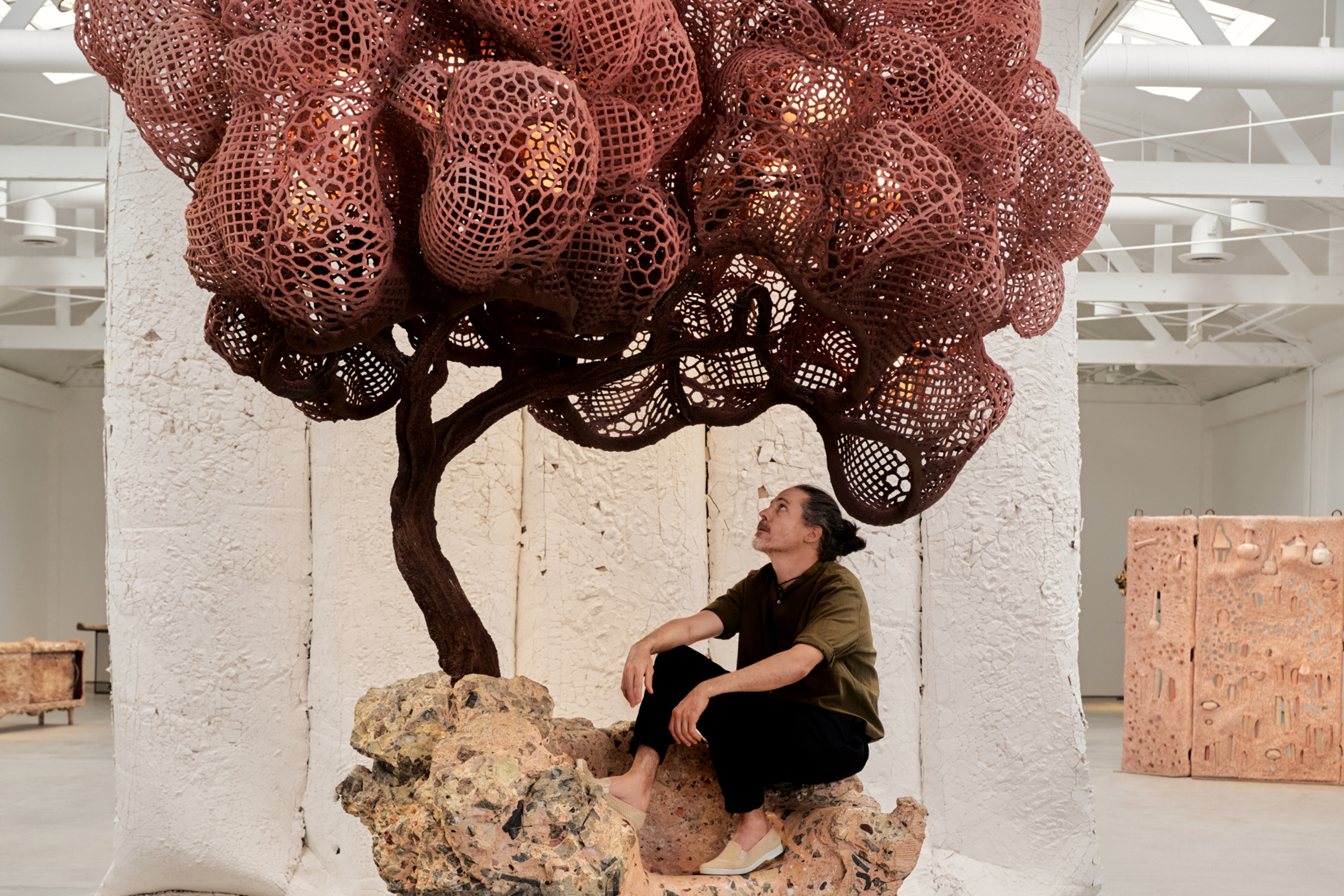
Nacho Carbonell, One-seater Concrete Tree (detail), 2022. Metal mesh, cork, steel, concrete, and light fittings; 139 3/4 × 74 3/4 × 112 1/4 in. Cincinnati Art Museum: Museum Purchase: Contemporary Art Deaccession Fund, Lawrence Archer Wachs Trust, On to the Second Century Art Purchase Fund, Weston Endowment for Contemporary Art, Jimmie Otten Gillespie Memorial Fund, 2024.1. Photo by Elisabeth Carababas. © Nacho Carbonell. Image courtesy of Carpenters Workshop Gallery.
Biophilia: Nature Reimagined Events
To celebrate Biophilia: Nature Reimagined, a new multisensory exhibition opening May 5, visitors are invited to join us for a suite of special programming inspired by and connected to the show. Browse through the full list of events we're offering to help you explore your connection to art and nature.
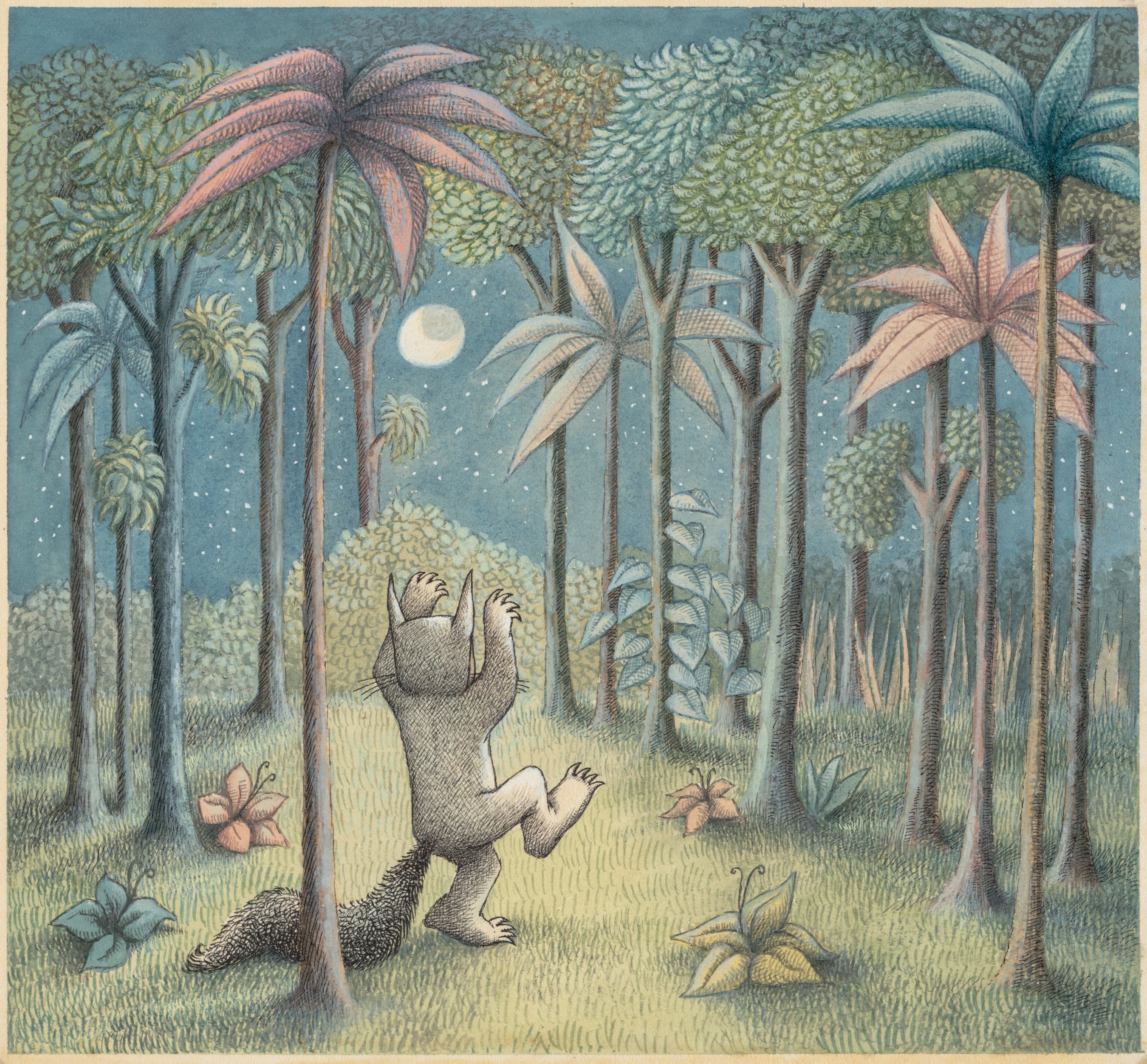
Maurice Sendak, Where the Wild Things Are, 1963, watercolor, ink, and graphite on paper, 9 3/4 x 11 in. © The Maurice Sendak Foundation
Save the date! Wild Things: The Art of Maurice Sendak opens in October
Featuring more than 400 artworks spanning his 65-year career, Wild Things: The Art of Maurice Sendak is the definitive way to experience and celebrate the life and work of Maurice Sendak.
This ticketed exhibition comes to Denver for a limited time beginning October 13, 2024. Become a member today to get early access and the best prices on tickets.
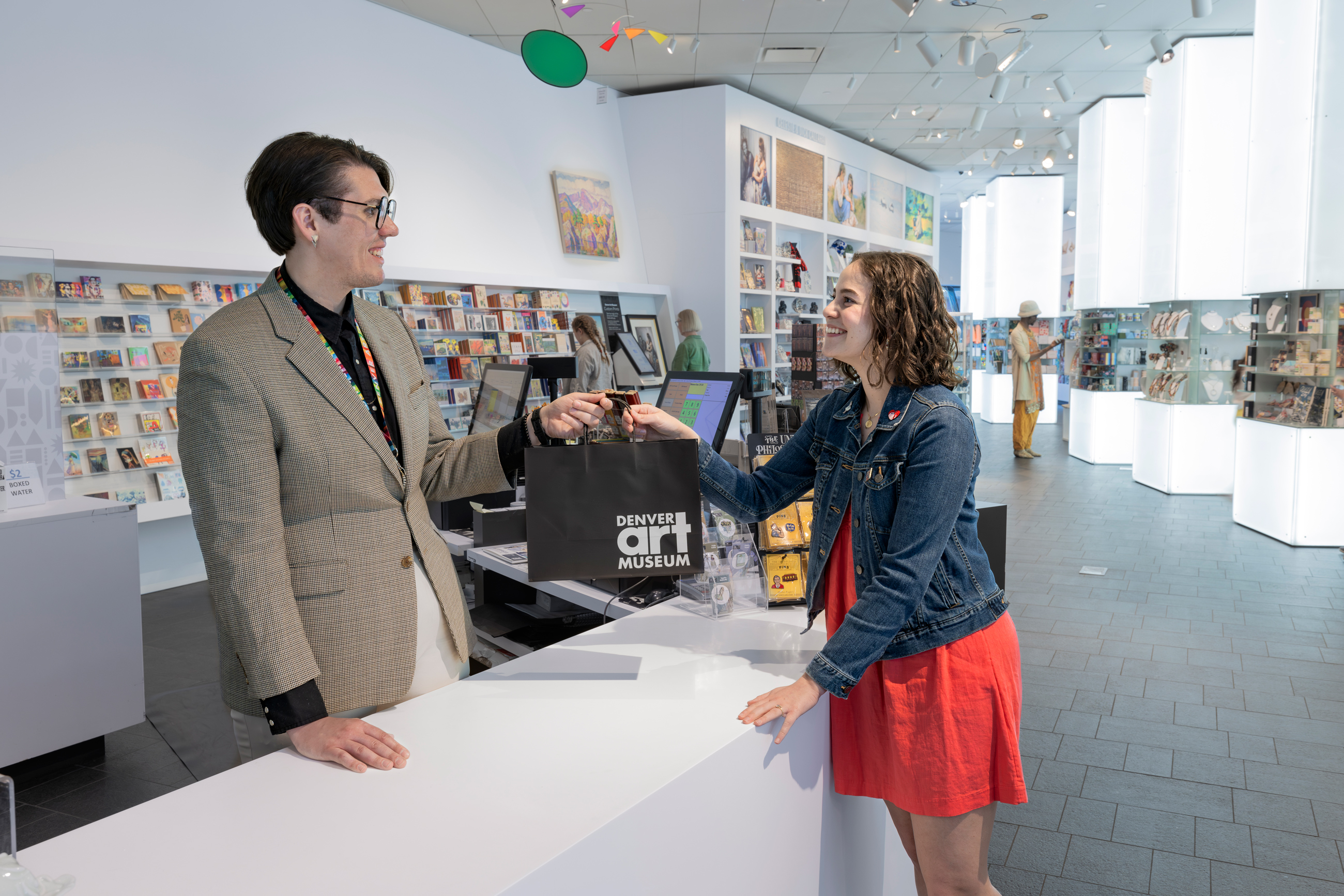
Stop by the Shop
Bring a piece of the museum home with you! Stop by the Shop during regular museum hours or shop online now to find unique art-inspired products, including jewelry, home goods, books, art activities, and many other delightfully creative gifts.
Sign up for our Shop email newsletter and receive a welcome with 10% off your first online order! Sign up today.
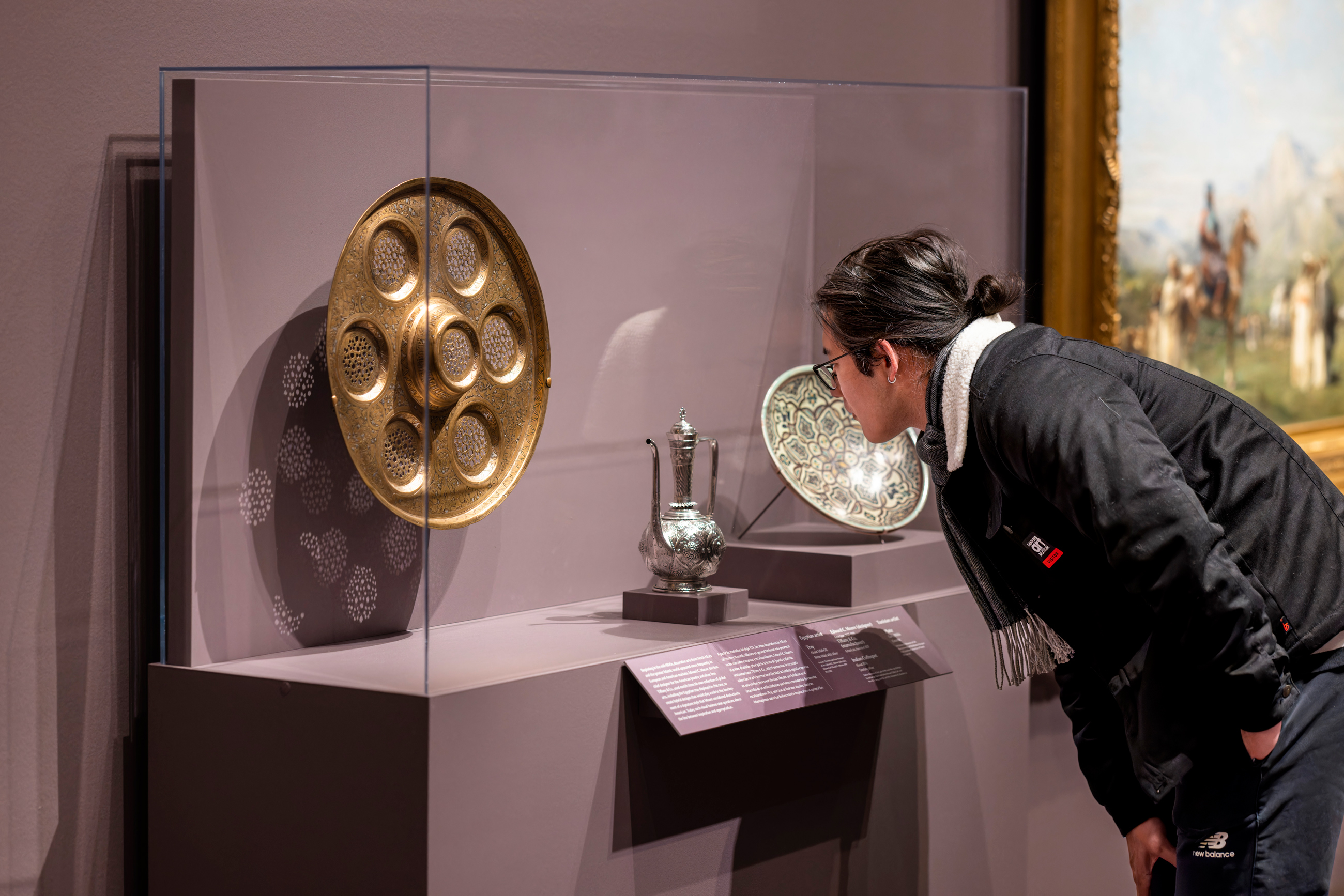
Discover More as a Member
Membership unlocks access to more than ever before! As a member you'll enjoy daily free general admission, discounts at the Shop and on ticketed exhibitions, guest passes to share with family and friends, a subscription to our bimonthly member magazine, and so much more.
Become a member today and know that your support helps your Denver Art Museum preserve and share our collection for all to enjoy. And if you're a current member, login to your account today and join us for an exclusive members-only event.
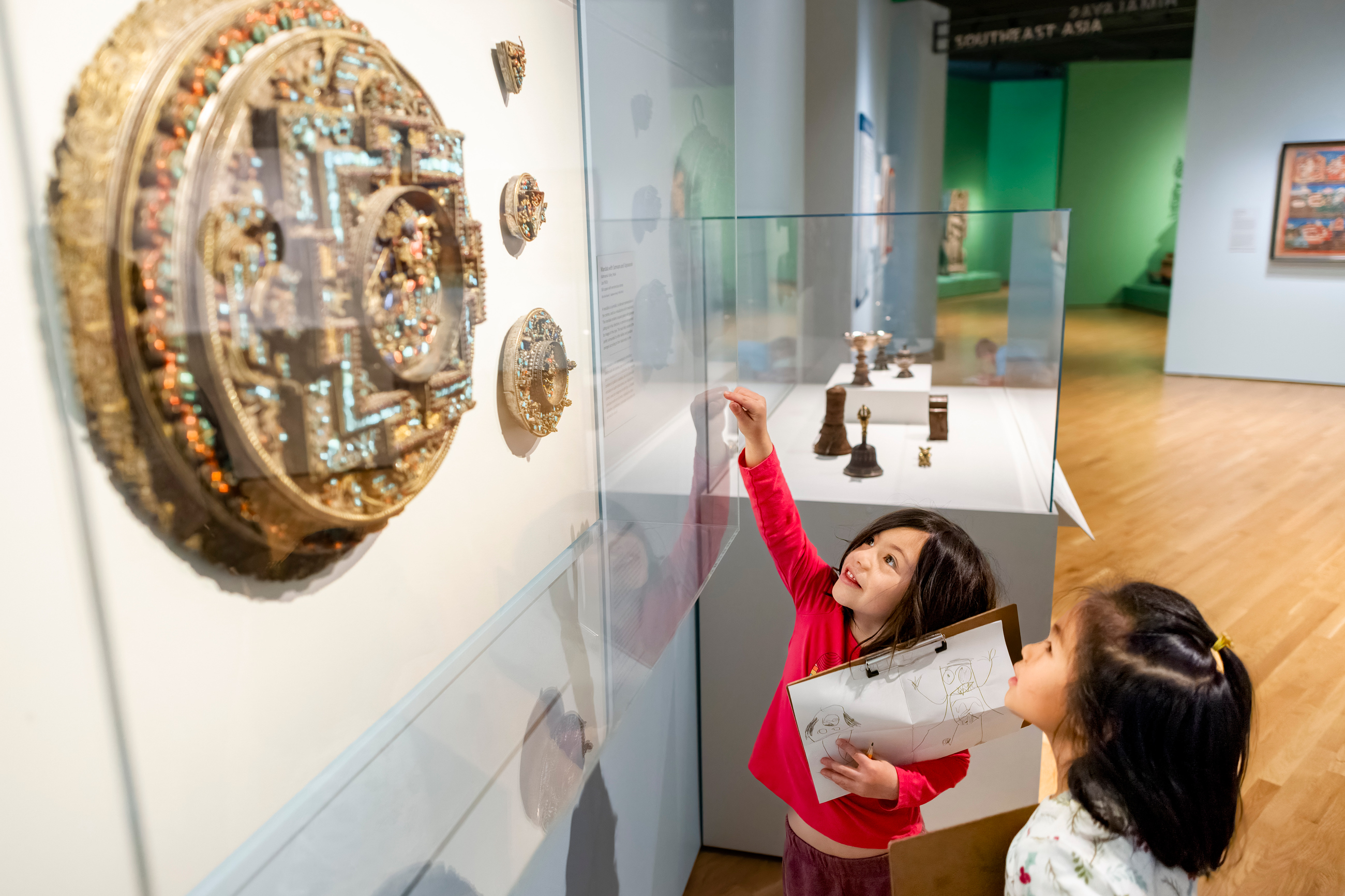
Free for Kids
All visitors 18 and under enjoy free general admission to the museum every day, thanks to the Free for Kids program presented by Bellco Credit Union. Explore our online calendar and our family programs to help map out your fun on your next visit.

Eat at The Ponti
The Ponti, located in the Sie Welcome Center of the Martin Building, combines art with dining to present a locally-sourced and seasonally-inspired menu. Come for lunch on weekdays, brunch on the weekends, and dinner on Tuesday and Friday nights. A museum ticket is not required to dine at The Ponti. Follow The Ponti's Instagram account (@thepontidenver) for information about giveaways, new additions to the menu, and more.
Join us for our Spring Wine Dinner at The Ponti on Thursday, April 11. Call to learn more!
Stories from the Blog
Catch up with the latest news and stories from the Denver Art Museum blog.

Q&A with Designer Laura Noriega
Noriega shares how she created her chair in Have a Seat: Mexican Chair Design Today.

Maurice Sendak Bit a Book
As a child, he enjoyed books in many ways, and incorporated his experiences in the 1952 book, A Hole is to Dig.

Celebrate Earth Month with DAM Artworks
A few ways you can explore connections to sustainability in the museum's galleries.

Devotional Sculpture from Quito
The DAM recently acquired two outstanding works of 18th-century Quito sculpture to enrich our collection of Colonial Latin American art.

Sandra Monterroso: Colorando/Decolorando las hebras
Two video performances by Sandra Monterroso document the laborious process of dyeing and washing cotton by hand.

Posada Prints on View: Charles F. Ramus’ Gift to the Denver Art Museum

See Artwork by Drop-in Drawing Participants
Community Spotlight: Celebrating 10 Years of Drop-in Drawing is on view through February 2024.

Architecture and Design Collectors’ Council 2023 Design Acquisitions